Mastering the Cornell Notebook KDP Interior Template for Optimal Publishing
The Cornell Notebook KDP Interior Template is a versatile and user-friendly tool designed to help you create professional and visually appealing interiors for your notebooks. Whether you're a beginner or an experienced publisher, this template offers a streamlined way to produce high-quality content that stands out. This article will guide you through common pitfalls and provide practical advice to ensure you get the most out of your Cornell Notebook KDP Interior Template.
Understanding the Cornell Notebook KDP Interior Template
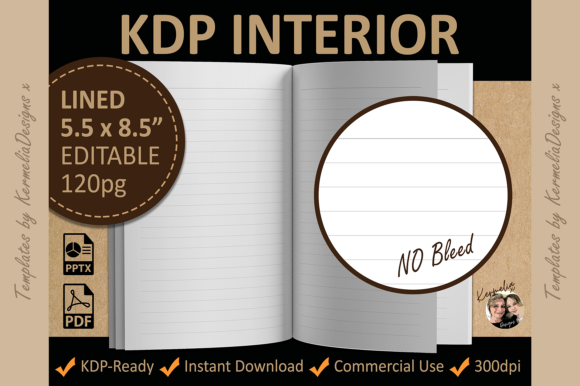
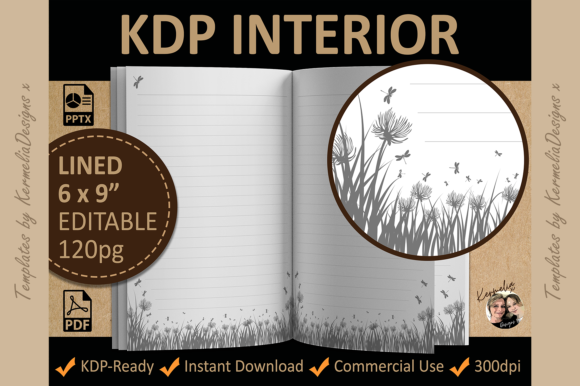
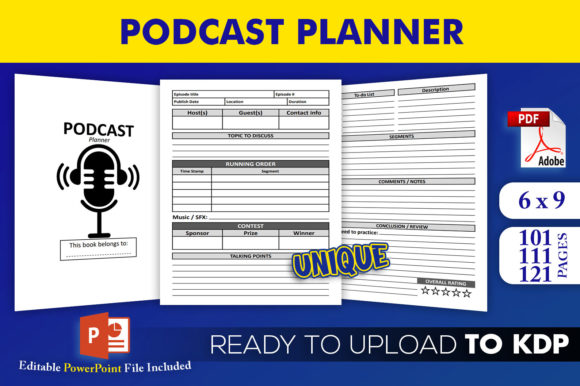
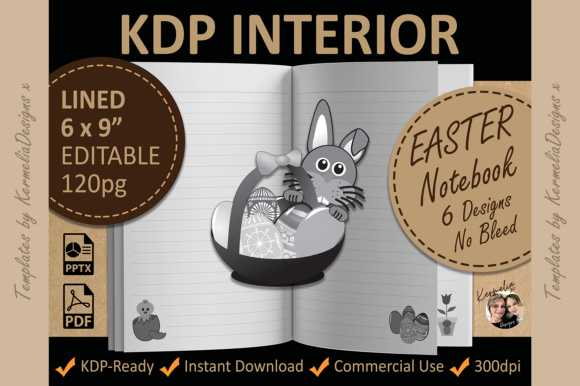
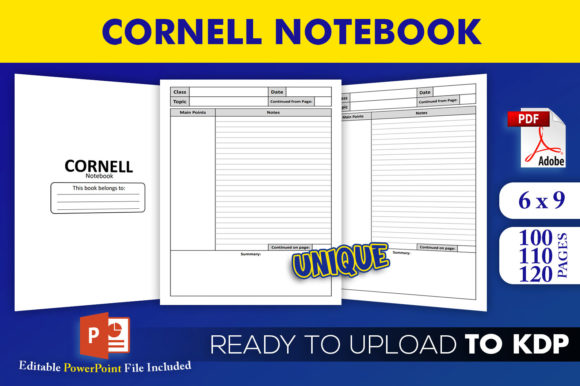
The Cornell Notebook KDP Interior Template is specifically tailored for Amazon's Kindle Direct Publishing (KDP) platform. It includes:
- Editable Source File in PowerPoint (PPTX)
- Three PDF Files ready for upload to KDP or print, tested on KDP
- Trim size 6x9 inches
- Different interior pages options: 100, 110, and 120 pages
- High-resolution interiors for a professional finish
This comprehensive package makes it easy to customize and publish your notebook, but there are some key considerations to keep in mind to avoid common mistakes.
Mistake 1: Overlooking the Importance of Trim Size
One of the most common oversights is not paying attention to the trim size. The Cornell Notebook KDP Interior Template is designed for a 6x9 inch format. Using a different size can lead to formatting issues and a less professional appearance. Always check the trim size before finalizing your document.
Mistake 2: Ignoring the Editable Source File
Many users skip over the editable PPTX file, opting instead to use the pre-formatted PDFs. While the PDFs are convenient, the PPTX file allows for more customization. You can add, remove, or modify elements to better suit your specific needs. Don't miss out on this flexibility.
Mistake 3: Not Testing the Final Output
Before uploading your final document to KDP, it's crucial to test the output. Print a few pages or view them on a device to ensure everything looks as expected. This step can save you from costly reprints and frustrated customers.
Mistake 4: Neglecting Page Count Options
The template offers three page count options: 100, 110, and 120 pages. Choosing the right page count is essential for both content and cost-effectiveness. Consider the amount of content you have and the intended use of the notebook. A mismatched page count can result in wasted space or insufficient room for your material.
Mistake 5: Underestimating the Value of High-Resolution Images
High-resolution images and graphics are a must for a professional-looking notebook. Low-resolution images can appear blurry and unprofessional. Ensure all your images are at least 300 DPI to maintain clarity and quality.
Practical Advice for Using the Cornell Notebook KDP Interior Template
To make the most of the Cornell Notebook KDP Interior Template, follow these tips:
- Start with the PPTX file: Use the editable source file to customize your notebook. This allows for greater flexibility and personalization.
- Check the trim size: Ensure your document is set to the 6x9 inch format to avoid formatting issues.
- Select the appropriate page count: Choose the page count that best fits your content and budget.
- Test the final output: Print a few pages or view them on a device to ensure everything looks as expected.
- Use high-resolution images: Ensure all images and graphics are at least 300 DPI for a professional finish.
Final Thoughts
The Cornell Notebook KDP Interior Template is a powerful tool for creating high-quality, professional notebooks. By avoiding common mistakes and following the practical advice outlined in this article, you can ensure a smooth and successful publishing experience. Remember to leverage the flexibility of the PPTX file, pay attention to trim size and page count, and always test your final output. With these steps, you'll be well on your way to producing a top-notch notebook that meets your needs and impresses your audience.